With an Elon Musk-led Tesla Company, customers no longer see automakers assisting buyers to get them into a vehicle of their choosing. Instead, they now see Tesla as offering a complete transportation ecosystem. This has pushed the industry to introduce fast charging, access to software updates over the air, and large touch screen control panels. Because of Tesla, buyers are now comparing EVs to pickup trucks or luxury sedans or even family SUVs. The lowest maintenance vehicles are now also compared to Tesla. So, while Tesla has made new expectations, it's worth noting that it shouldn't be purchasing advice.
Tesla has the ecosystem to provide customers a convenient and inexpensive way to own and operate a vehicle, while there are many ways ownership becomes frustrating and expensive. Tesla Company has made its strength its protective driving ecosystem rather than advising everyone to purchase a model. Drivers who charge at home and drive primarily on established charging corridors see the most benefit from this ecosystem, while buying Tesla to avoid unreliable vehicles or because Tesla is a dominant technology company is a complete misinterpretation of everything this ecosystem has to offer.
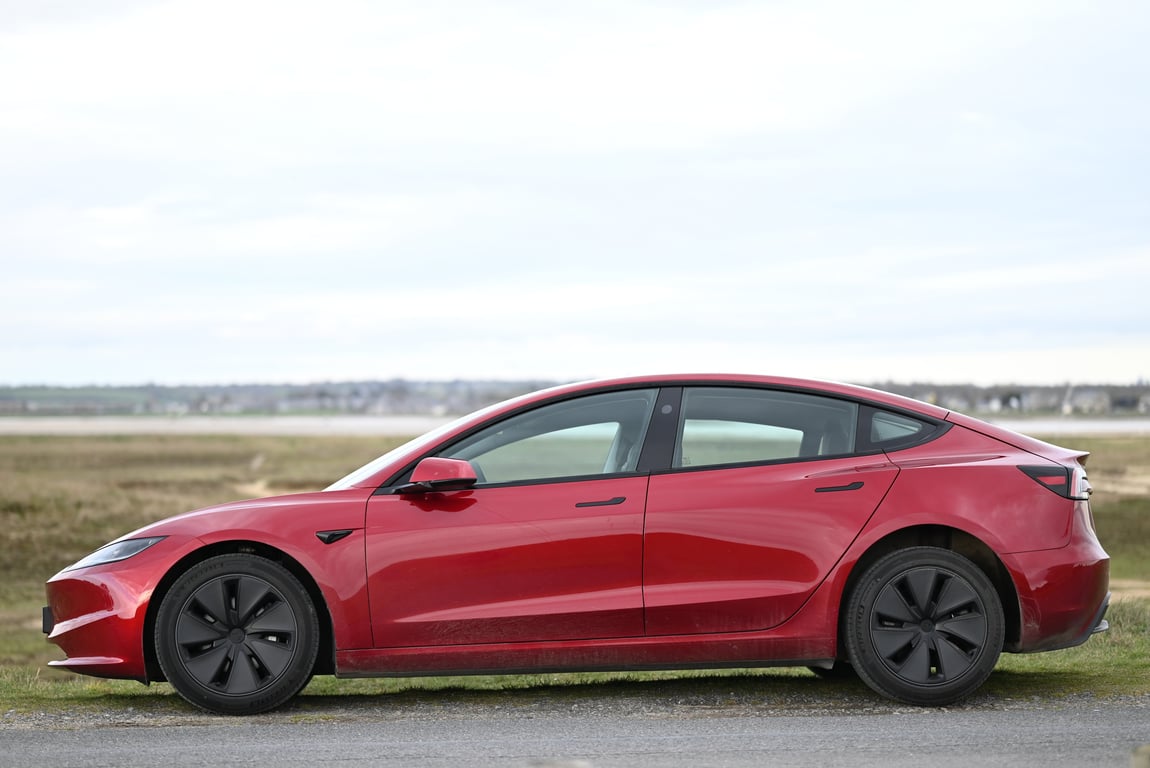
Tesla Company Has Raised Expectations
Previously, Tesla Company has often been criticized for its perception as a compliance vehicle. Older EV models were designed as limited range EVs, which were difficult to defend for a family's only means of transportation. Tesla Company took a fresh perspective on an EV as a complete transportation solution, and they have now successfully redefined the industry's perception of EVs.
Its cars featured short charging times combined with a software integrated navigation system that automatically added charging stops to the route, fast charging networks, and software continuously updated over-the-air.
The first mover advantage isn’t just about making the first electric car that people want to buy. Convenience is easier to copy. Tesla designed its car for a world with convenient charging. Owners of Teslas experience if the car is charged for them in the morning, if there’s a safe spot to take a break during a road trip, if the seats are comfortable, if the controls are easy to access, and if they can quickly resolve issues. Courtesy of Tesla, the rest of the auto industry now has to respond to questions of day-to-day use.
Because of Tesla-induced competition, the rest of the auto industry is now rushing EV production, improving software, designing better charging networks, and increasing battery efficiency. Because its in-vehicle software and services are the same as other car companies, analyzing Tesla is critical to understand advances in the auto industry. Tesla doesn’t always win the EV game, but other car companies always compare their EVs to Tesla’s to see how their own products stack up.
Its connected ownership system is the real reason Tesla has maintained its legacy.
The convenience of never having to buy gas is the reason people stick with EVs.
People tend to focus on the advertised range and speed of an EV, but the real reason EVs are dominating the auto market is due to Tesla's connected ownership system.
Plugging your car in at night can help reduce the stress of starting your day. When it's part of your routine, you forget just how convenient it is. Because of overnight charging, some commuters may not need to buy a car with the highest rated battery. They may find it costs more to buy the extra battery range and charge at home than to simply charge overnight.
On longer trips, charging infrastructure becomes more important. Even with not as many charging stations, some Tesla owners believe that charging infrastructure and software is better integrated, which helps reduce the stress of not knowing if your car will make it to the next charging station. Some research backs up these claims. Many Tesla owners carry lots of stress and frustration from planning a long trip because of the lack of well maintained charging stations, and the poor integration of charging applications and services. Some of Tesla's competitors, however, have made recent achievements in improving charging infrastructure and reducing the stress that comes with traveling with an electric vehicle. They are still working towards better integration of services and applications. In the meantime, some consumers may have to deal with long and stressful planning trips.
Tesla really popularized the ability to have newer cars with more features and improvement done through updates rather than the traditional buying experience. This is good for the customers, but becoming dependent on software updates to fix product flaws that should have been addressed by hardware is not ideal. It is important for a company to deliver a good product right away. Selling a good product and software is more important than selling a strong service.
To some, simplicity means ease of use. A lot of drivers have had to adjust to Tesla’s more digital, minimalist approach to interior design. Many conventional EV commentators don’t go beyond the simplistic explanation of the future being the dominion of screen-based controls or its bad design. The correct question should be, does the driver's daily interaction with the controls ensure that they are easy to learn and navigate? In this case, Tesla wins over the user who is flexible and adaptable to a high degree of technology. The user who is used to physical or conventional controls or those who seek a more basic level interface is better served elsewhere.
To really know how easy or difficult any particular car is to own, a test drive should include things like manually adjusting the climate, entering navigation instructions, trying to park, checking if rear-seat adults and kids have adequate clearance and viewing space, and so on. From my experience the best touchscreens in the world aren’t always the best interface from a pure utility standpoint.
When it comes to pricing, Tesla has a reputation of being tougher on their customers than other brands. This reputation deserves a bit more explanation.
Instead of negotiating with sticker prices on local inventory, Tesla’s online ordering model offers a more centralized approach. This may provide more transparency in the process, but this does not equate to (better) value.
The actual price of the vehicle, the financing costs, the incentives, the premiums of the insurance, the trade-ins, the available inventory, and many other factors impact the final transaction. Prices change constantly, from the price of the car to the financing. A shopper should evaluate the total cost of the financing and the out-the-door cost, and should not get hung up on a payment or how much fuel the car may save (or any other imaginary savings). An EV that has a cheap monthly payment may have a large upfront balance, a long loan term, higher insurance costs, or savings that are partially offset by the costs of insurance.
There are numerous factors that can influence the cost of a purchase of an EV, installing EV chargers, and the incentives available to the purchaser. The factors can be complex and may change frequently. Buyers should be sure to know the current (official) state of these offerings before including them in their budget. The same should be said of leases and promotional financing that are advertised. The best deal is the deal that is intact after all financing charges, fees, and terms have been satisfied.
It is simple. Tesla can offer a good value proposition, but as with all big vehicle purchases, it should be shopped comprehensively. This means comparing it to similar vehicles, obtaining insurance quotes before the purchase, considering the cost of charging, and using local electricity rates (rather than national averages). Brand excitement and enthusiasm is not a financial plan.
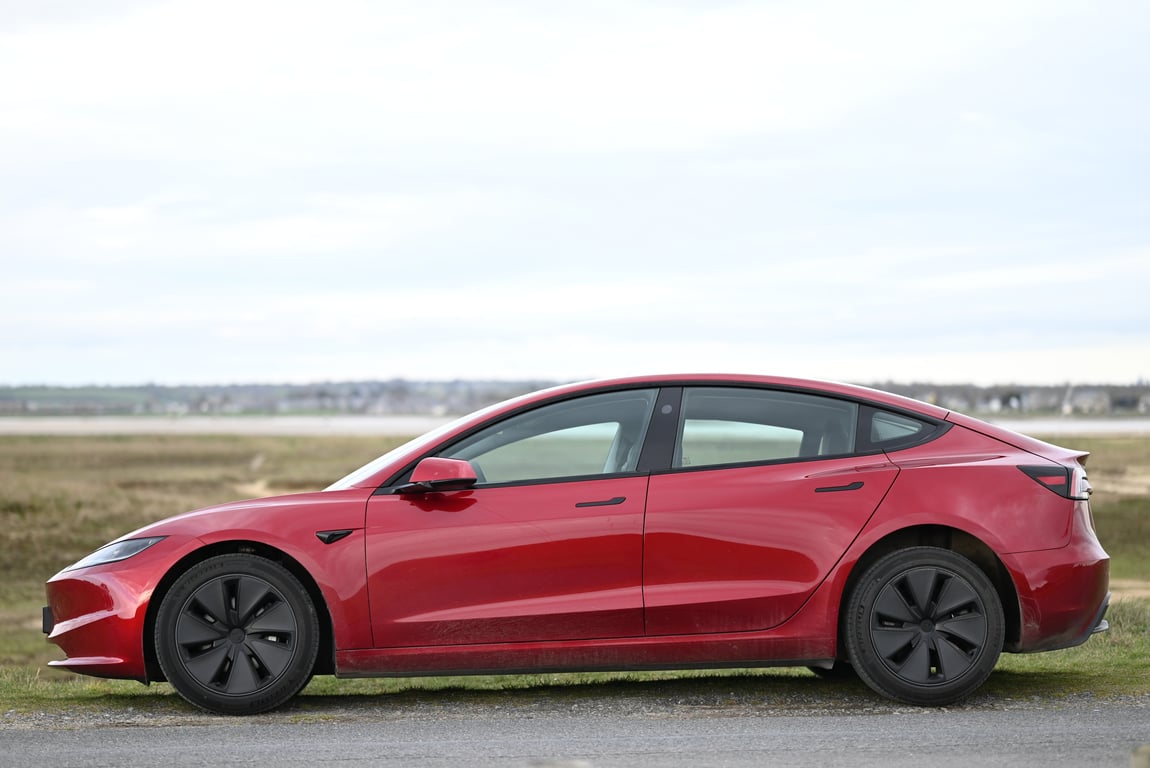
Less Routine Maintenance Does Not Equal Lower Risk Of Ownership
Because there are no traditional oil changes and regenerative braking helps significantly reduce brake wear in many situations, Tesla's vehicles give their customers a true FIRST of its kind ownership advantage. Arguably, Tesla was one of the first companies to bring this advantage to the marketplace.
However, many think Tesla vehicles have low maintenance because there is little to no service needed for the battery and electric drive system. That's untrue. Tesla vehicles still need service like tire rotation and replacement, alignments, and suspension work. There's also the replacement of cabin air filters, as well as collision repairs. New vehicle technology may reduce service needs, but there are still costs associated with normal ownership. Because EVs have electric drive systems, they tend to be heavier than similar gas vehicles. This, combined with the vehicles' strong acceleration and tire wear, can significantly increase ownership costs if drivers use the vehicles aggressively.
With a Tesla purchase, you need to plan for costs and potential repairs beyond the battery. Before buying, potential owners should locate authorized service and mobile repair centers, and find collision repair body shops, to determine what the repair and replacement costs could be. This is especially necessary for people who live in remote areas since repair centers may be hours away.
Before purchasing a Tesla, it is also important to research auto insurance. Since Tesla vehicles have such advanced technology, auto insurance premiums could possibly be higher than drivers expect. When buying a Tesla, make sure to insure the vehicle for what it is actually worth and compare auto insurance policies since a Tesla is probably going to be more expensive to insure than a traditional gas vehicle.
Charging at Home Makes or Breaks a Tesla's Fit
For most potential Tesla Company customers, the question in the back of their head is not “What is the maximum range?” The question is, “How will I charge most of the time?” For many owners, the convenience of home charging is the biggest leap they’ve experienced in the transition to an EV. For drivers who don’t have reliable access to charging at home or work, this same convenience may turn an EV into a car that requires constant public charging in the worst possible way.
For those living in apartment buildings, condos, renting, or any urban commuting, you can’t rely on optimism. While there are active efforts to improve public charging, the neighborhood you live in can have working, reliable charging station that are unavailable to you due to parking restrictions, long wait times, high peak prices, and inconsistent electricity availability. Even if there is charging nearby, it doesn’t mean it will be convenient if it is occupied, out of service, or hard to access.
Despite the potential trade-offs, those living in urban settings should not rule out Tesla. They should consider if owning a Tesla will meet their needs on a daily basis. You should find out where the best charging options are and see if you can charge overnight on a regular basis at locations such as home, work, and shopping. If you have to go out of your way to find charging, you should probably buy a hybrid instead.
Tesla is also focused on creating advanced driver assistance systems (ADAS) and discussing their technologies for fully autonomous vehicles.
Tesla Auto Pilot, a level 2 autonomous driving system, is the main feature that attracts customers to Tesla. However,auto pilots and level 2 driving systems should not replace the need for human driving and human judgment. Drivers should always be in full control of their vehicles.
This can lead customers to place more value on features that dealerships use as add-on options such as bumper covers and flashy lights. They should be more concerned with a vehicle's basic fit and functionality. Cost of ownership, ease and cost of charging should factor in as well. Best yet, they are simple to access.
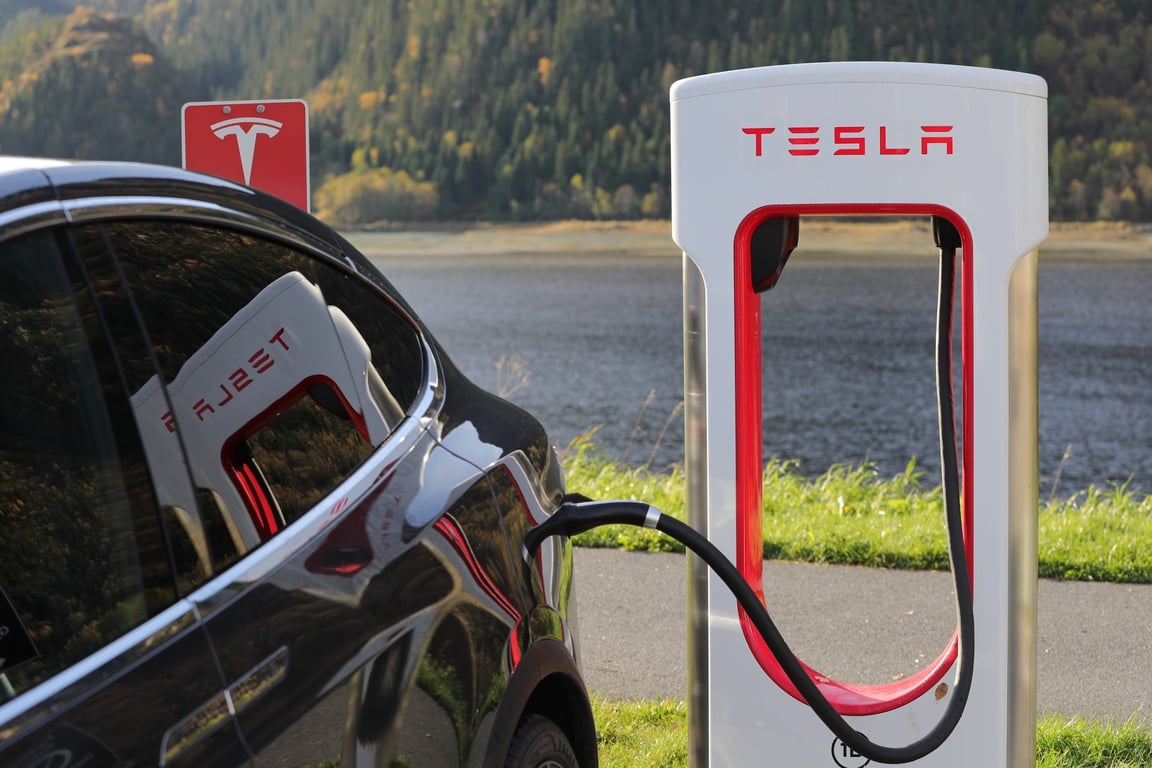
These features help reduce fatigue and provide a more convenient driving experience, but the driver is still required to be attentive, and continue to adhere to the laws. Potential buyers should discern between features that assist the driver with steering, speed, and lane positioning, and features that assist a vehicle with all real-world driving conditions.
Reliable features that assist a driver with features like commuting, stopping and going, and various driving conditions are a good investment. Optional add-on features that don't assist driving should be approached with skepticism.
How Tesla Compares With Other EVs and Hybrids
Tesla is not always the winner as the best comparison to EVs and Hybrids. There are other EVs that may offer more in interior design, physical controls, ride comfort, cargo flexibility, luxury appointments, towing, dealer-service proximity, or available incentives. There may also be more dealerships located near potential buyers that offer a better value. There may also be buyers that prefer a dealership that is farther away, but offers a more centralized buying experience.
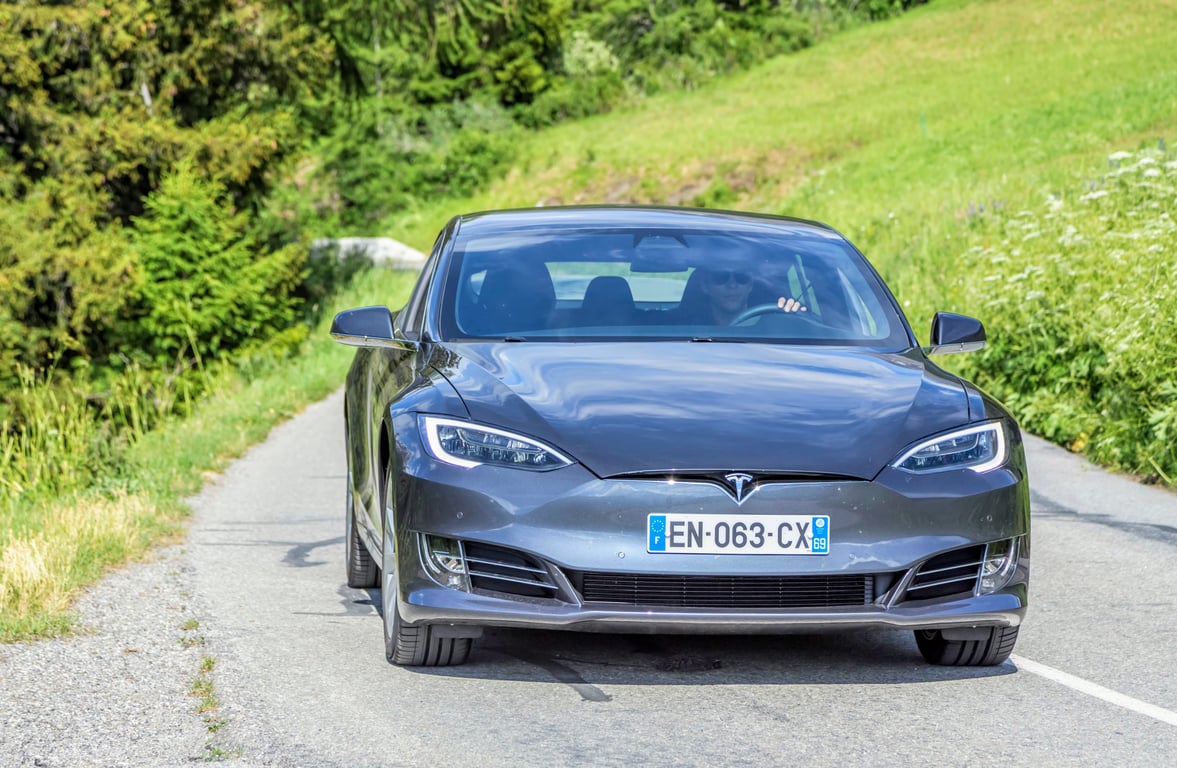
The best alternative to a Tesla is not always another BEV.
Families who are looking to purchase a long distance capable vehicle, need maximum flexibility, or cannot charge a vehicle at home would want to consider a plug-in or even hybrid. This or any other purchasing decision for that matter is not a failure to adopt the latest technology, rather it is an honest assessment as to how the vehicle will be used.
The success of Tesla has led some to think that purchasing a non-Tesla EV creates the need to justify why they didn’t buy Tesla. This is a misguided way to look at the purchase. Buying a car is not a referendum on the state of the transportation system. Purchasing a car is about the budget, where you park your car, how you get to and from work, especially if you have family and what you’re comfortable with.
The Tesla Company is important to consider, but not important to purchase. The Tesla Company is one of the most important companies in the electrification of the American Automotive Market. They have robust EV's and an Ownership ecosystem that is difficult to match. This includes convenient home charging, integrated trip planning, and fast charging that has a recognizable and consistent user experience.
The most responsible conclusion to buying a Tesla is to fully support their ownership ecosystem. This is especially true if the prospective buyer has reliable charging, understands the service and insurance costs, and feels comfortable with the digital interface. Tesla does not make a strong case to those who do not have reliable charging or want the controls to be simple, want to be able to easily maintain the vehicle, or want a car that has a low total cost of ownership.
In the U.S. the best advice is to treat the Tesla Company as the industry defining EV benchmark, but to not purchase it as the default EV.
Take a test drive, evaluate the total cost of ownership, verify the availability of charging and service, and compare the Tesla against electric, hybrid, or gas vehicles. Tesla has disrupted the automotive world. Smart buyers take advantage of that to make favorable decisions, not just quick ones.