Automobiles like the Audi Activesphere are generally unavailable for consumers to order, test drive, or compare with competitors. That is because, while the name may imply otherwise, it is a concept car. These vehicles are designed to generate interest and are not solutions to solve day-to-day issues of owning a car.
The Audi Activesphere should not be overlooked. When compared to other Audi concept cars, the Activesphere outlines the direction Audi and other manufacturers should take when thinking about the design and execution of a premium electric crossover. This concept care outlines the importance to Audi of the design of a vehicle that combines the low, sleek design of an electric vehicle with the functionality of a practical adventure vehicle.
Currently, luxury brands are choosing to take their offerings in the direction of taller, bulkier, and SUV-like designs. Audi's Activesphere is a step in a much better direction. The Activesphere demonstrates that utility and a bulkier design do not go hand in hand. The vehicle can be practical without traditional SUV design. Audi may not choose to bring this concept to market, but this idea should be highly regarded by other companies looking at the EV market.
What Is The Activesphere?
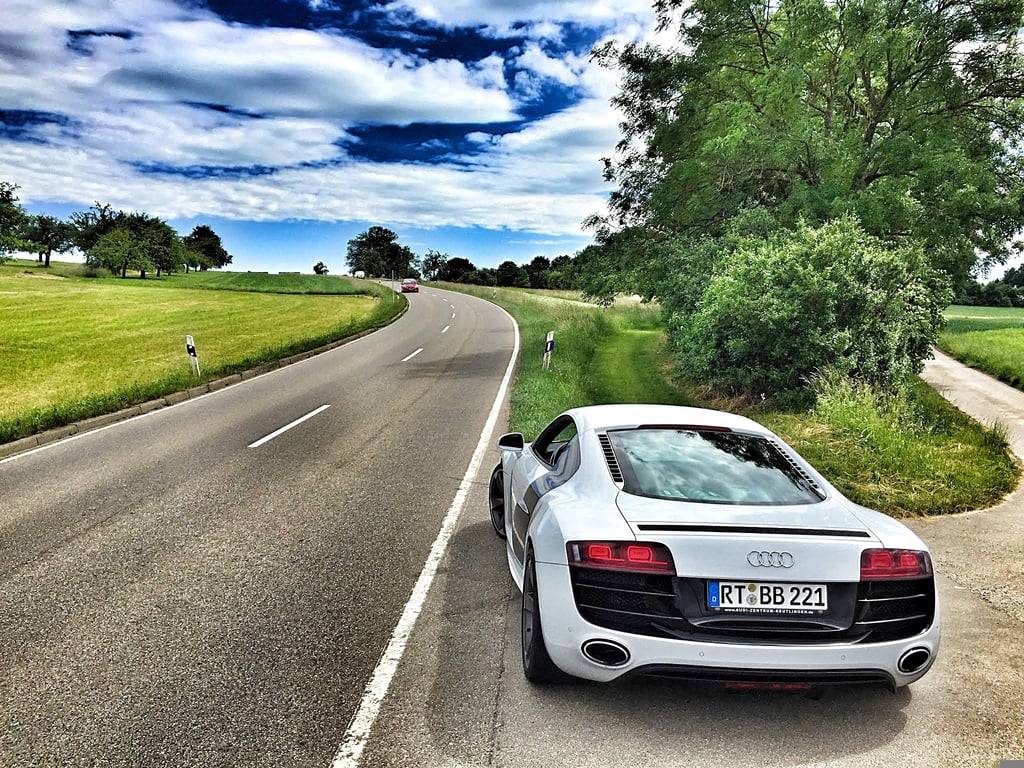
The Activesphere is Audi's concept of an all-electric vehicle that includes four doors, a fastback-style roofline, large wheels, all-wheel drive, and a tall, boxy design.
The styling of the Activesphere suggests it was built for consumers who need a functional, roomy EV to transport their active recreational gear.
The Activesphere is notable for its rear body design. Audi terms this design an "active back", and it essentially transforms the Activesphere from a fastback into a cargo vehicle, providing a lot of storage room in back of the passenger area. The Activesphere concept incorporates a rather unique solution for accessing the storage area of a cargo vehicle. The Activesphere has a rear glass section and tailgate that can be designed to accommodate storage of bulky items such as bicycles. This is more innovative than the power liftgate and folding seat solutions that we see in most vehicles today.
The Activesphere also incorporates Audi’s take on AR (augmented reality) controls. Rather than using a centralized control and viewing surface, Audi envisions that the Activesphere would essentially be controlling information of the vehicle for the driver through AR technology. This relies on the use of mixed reality and gesture controls, and is a far stretch from the concept of core control surfaces. It is extremely ambitious, however, and poses a challenge to the industry: as cabins become more design driven, should control surfaces be more complex and innovative, or simple?
The value of the Activesphere is not in every detail. But it is good to see that Audi identified a gap between the practical vehicles that consumers desire and those that manufacturers produce. This is largely due to the refusal to think that “practical” means “boring.” Instead, we see that the Activesphere carves out a space for itself as a sporty crossover that offers practicality.
Automakers evolved by broadening their SUV offerings in all price segments. Electric vehicles have heightened this trend as many manufacturers consider a crossover an adequate packaging solution for batteries and family use.
While many tall crossovers answer the needs of families and improve package and battery efficiency, they come at a cost. Beyond the aesthetics, taller and wider vehicles sacrifice fuel economy, are less efficient at aerodynamics, and decrease handling. A crossover is not smarter for being taller. In fact, taller vehicles create larger blind spots and increase wear and tear on tires.
Subaru has created an exciting alternative to the definition of a mundane family vehicle with the Activesphere. It combines elements of coupe and sport sedan, while adding adaptive cargo systems that make it more practical than a traditional SUV. It has the distinct advantage of a flat floor over a traditional SUV, but without the bulk of a traditional SUV.
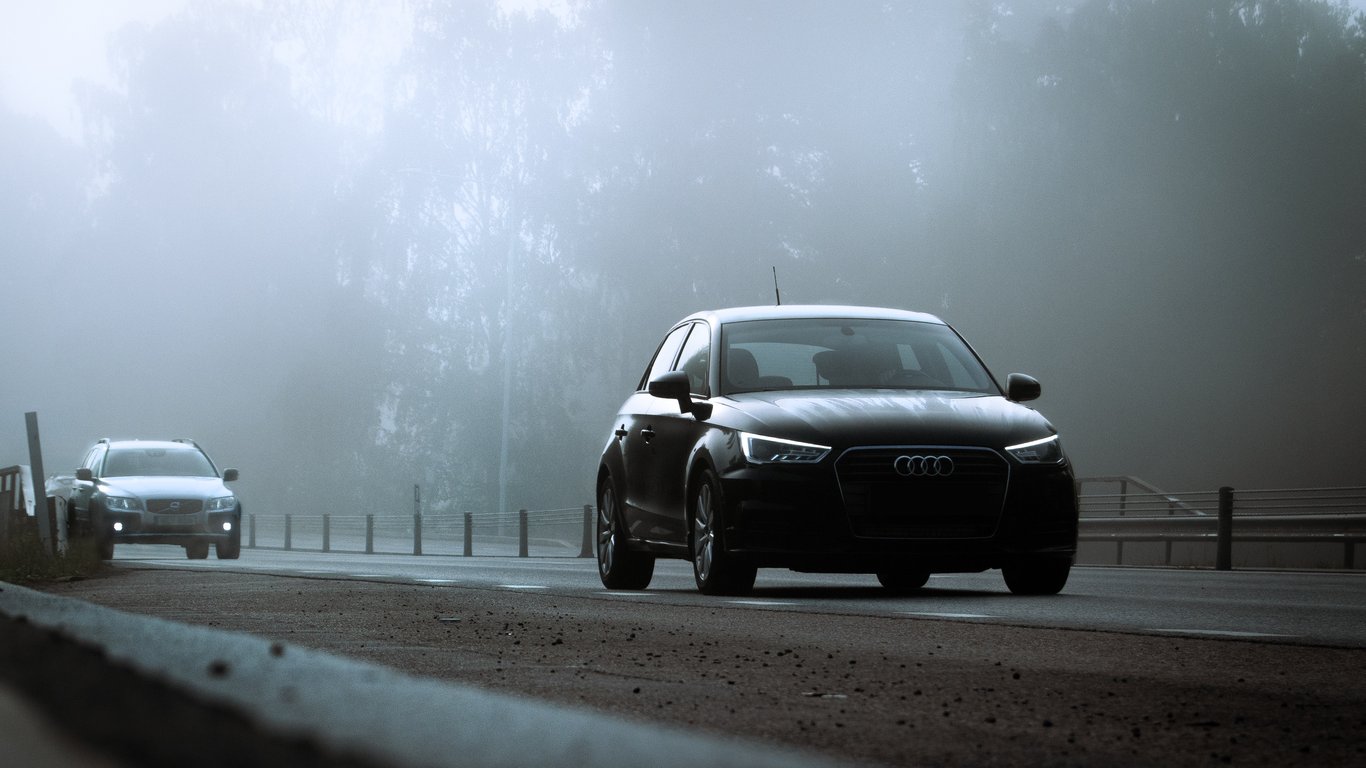
While Subaru is making an inroad into the utilitarian family crossover, the Activesphere is a clear step up in usability engineering, it is more complicated than just designing another large family SUV. Like most systems with freedom of movement, the rear structure of the Activesphere is a clear design boundary of what is feasible and sensible in the world of mass production.
There is a clear design boundary, and an argument for this idea, but the argument for this example is engineering with design. Automakers are engineering features in higher price points. Air suspension, complex seating, and lighting systems are just a few features with which the upper echelons of buyers are willing to pay premium prices.
A feature that improves cargo flexibility would be much more beneficial than the premium necessities that are currently considered upgrades.
Audi Is Right to Focus On Flexible Cargo, But Must Keep It Simple
People in the U.S. value cargo utility more than the headline acceleration figure. Sure, a zero to sixty time of X seconds is cool, but a vehicle that carries camping gear or sports gear or a stroller, luggage, groceries, and home improvement supplies is a much more valuable asset that you don’t have to borrow the neighbor’s exploder truck to use.
Audi Activesphere understands that most buyers don’t need a three row SUV or a truck everyday. They need something that is efficient for getting around through the work week, but will be able to lug stuff around when need be. This is where most EVs (especially the premium ones) miss the mark.
Prioritizing ease of access to cargo and rear seat flexibility over gimmicky transformation is where real value needs to go. The rear Active Back in the concept is a well demonstrated capability that provides a real value. The challenge is going to be how to provide that capability with less complexity.
Like the Active Back itself, Audi would be best to prioritize fast, weather resistant cargo flexibility and rear access that you can use with a load in the back of the vehicle. The system should keep a fully enclosed cargo area inaccessible when the vehicle is left unoccupied. Otherwise what is even the point?
This is where advice for conventional buying really needs to be redone.
Most rarely buy the largest vehicle they would need for their most extreme daily use case. That is why most people are urged not to buy the largest vehicle. One example of a case that most people will only need the largest vehicle for is to fit a large number of people. Most trips will need a vehicle for just a small number of people, and yet most people buy the largest vehicle. With that, one has to think about the energy it will use, the parking it will take, and the size it will take. A vehicle like the Activesphere could help people think more practically. It would allow one to own a more practical, not oversized, vehicle daily, but more flexible for a hoard of cases.
Its Design Is More Than an Exercise in Rugged Styling
Many brands sell vehicles that most will only use on the pavement and use language in their marketing that sells them as adventure vehicles. They use raised ride height, dark trim, aggressive tires and roof rails. Those do nothing for the crossover’s capabilities. People should be more critical of vehicles with that design.
The Activesphere is more convincing because rugged design is linked with useful design on the Activesphere. Rugged design and AWD are tied to cargo utility. It tries to make a design that is a luxury fastback more useful to active owners.
This does not mean one should look at the Activesphere as a replacement to a serious off-road vehicle. It should not. This vehicle’s performance design and low roof would naturally involve trade-offs in durability, approach angles, roof loading, ground clearance, etc. when compared to a vehicle designed for those purposes.
If you purchase a vehicle regularly used for towing, taking the roads less traveled, or work that involves a lot of heavy lifting, you should get a vehicle designed for such tasks.
Not all crossover users indulge in rock crawling or hauling construction materials. In fact, the majority of such users experience things like driving in wet weather, stopping on a gravel parking area, going on ski trips, carrying bicycles, luggage, and even engaging in weekend travel. Herein, the Activesphere's design is more user-centric than thinking everyone should have a truck-based vehicle.
The Digital Cabin Is Exciting, but Audi Should Not Overdo It
Audi uses the Activesphere's radical concept to envision an even more radical digital cabin design. Impressed with advances in augmented reality technology, Audi's designers have placed controls and entertainment systems in the view of the driver as part of the navigation system that is unique, but that is all speculation. The idea is to get rid of screens and dash controls.
There is some merit to this idea. Having navigation instructions in the driver’s line of sight is better than having to look at the center control every few seconds. A digital environment can provide an environment that is adaptable to different driving conditions, like city driving, parking or highway driving. Different driving conditions can makes desirable different types of information.
However, the auto industry should learn from the backlash against touch-heavy interiors. Replacing buttons with screens did not automatically make vehicles easier to use. In fact, it made tasks that should have been easily manageable, time consuming and distracting.
Drivers shouldn’t have to use special eyewear, hand gestures, menu systems, or surplus software just to perform basic driving tasks. Also, a vehicle’s functions shouldn’t have to rely on a system that is inconvenient for people who wear glasses, dislike head mounted devices, or just want to drive.
The Activesphere likely won’t result in the complete elimination of physical controls. Instead, it should illustrate to Audi that they should only use digital controls if there is a clear improvement to the task. An Audi that is ready for production should still involve physical controls for commonly used functions and have a default physical control option for advanced functions. Digital controls may serve the purpose for navigation or providing safety alerts in conjunction with an AR system.
The Audi Activesphere, as it stands, is an example of design and product planning. Audi is attempting to define a segment of the market between the luxury sedans, coupe styled SUVs, and more rugged, utilitarian adventure vehicles. This segment is perhaps more important now where flexible EV platforms allow for more innovative design and choices for how vehicles are designed, how they store things, and how passengers sit and move throughout the vehicle.
EV platforms have the ability to position major components below the floor and free designers from many of the restraints of the internal combustion engine and its associated spaces. This newfound flexibility is only useful to owners when automakers create vehicles that are improved over the status quo. A flat floor doesn’t make a vehicle better. Nor does a large touchscreen. But creation of innovative storage options, better passenger space, lower more aerodynamic body shapes, and innovative cargo solutions are worthwhile.
Audi must persuade us that their vehicles will make the leap from Activesphere concept to production reality.
It means maintaining its original clean design lines, improving all-weather capability, and providing real usable cargo flexibility instead of just a party trick. It also means resisting the urge to bury the ownership experience under subscription based services, touch control interfaces and novel control systems.
An electric Audi that combines the elegance and focus on the driver of an Audi SUV, and maintains more of the usefulness of a sedan or a sportback is something that consumers are ready to purchase. The Activesphere is a great example of this because it works to fill the gap created by consumers’ desire to purchase something efficient that also allows them to have a unified vehicle that meets their various needs based on the activities they engage in on a day-to-day basis.
What U.S. Shoppers Should Take From the Concept
People do not need to buy an Audi Activesphere. It is a concept and undoubtedly will not appear in U.S. showrooms with all of its current dimensions, range, and technology. The cargo system, and interior and driving technology will also likely change.
However, as a means to evaluate electric crossover concepts that will make up the next wave of electric vehicles, the Activesphere carries a lot of merit. Rather than focusing on whether a vehicle will provide greater horsepower, how big of a screen it will have, or how fast it will go from zero to sixty, it is also important to ask questions like:
- Will the vehicle's shape support efficient highway driving or will it be an inefficiently tall vehicle?
- Will the cargo area be big enough to hold the owner's real world cargo?
- Will it provide all weather capability, confidence, and control, without faking it with a false claim of extreme off-roading capability?
- Will the ownership experience be enhanced over the current use of digital systems?
- Does the vehicle solve daily problems better than a sedan/hatchback/SUV?
That's a key challenge for most EVs today. Many have impressive tech specs and are interchangeable, including similar designs, similar screens, and similar promises. The Audi Activesphere breaks this mold with a particular focus on desirable aesthetics, confident driving position, and avoiding unnecessary vehicle ownership due to flexibility. This is the best way for a company to win a market, through divergence over convergence.
The Bottom Line
The Activesphere is a standout design that is provocative and relevant. It is forward thinking to include mixed reality, but may be too ambitious with its active rear body. The ease with which something transforms is vital for mass production. Safety, cost and reliability are more important than creative design.
The Activesphere shows a smart balance. It demonstrates that luxury EV crossovers can be beautiful and able to adapt to many uses without the need to be oversized. While the Activesphere focuses on ease and practicality, it can draw a viable approach to design with a smaller footprint to maintain luxury.
The Activesphere may be the best future class of luxury EVs, especially Audi's, if it maintains flexibility and usability. If that is Audi's goal, it is very much the Activesphere that people will be working for.