Mercedes-Benz EQS SUV: Is This Luxury Electric SUV Worth the Premium?
The Mercedes-Benz EQS SUV is one of the clearest expressions of what a flagship electric luxury vehicle can be: exceptionally quiet, deeply comfortable, technology-heavy, and designed to make everyday driving feel less stressful. It also asks buyers to accept a major reality of the upper-end EV market: the experience may be excellent, but the value case is far less obvious.
Our position is straightforward: the Mercedes-Benz EQS SUV is worth its premium only for shoppers who place ride comfort, cabin refinement, and premium-brand service experience above maximum range, maximum cargo efficiency, or the lowest possible cost of ownership. It is not the automatic choice for every affluent EV buyer. In fact, shoppers who buy it mainly because it is a large electric Mercedes-Benz may be overlooking better-fitting alternatives. But for the right buyer—one who wants an electric SUV that feels like a luxury lounge rather than a technology experiment—the EQS SUV remains compelling.
What the Mercedes-Benz EQS SUV Does Better Than Most Electric SUVs
The EQS SUV’s defining strength is not raw acceleration, a giant screen, or a headline-grabbing feature. It is refinement. Many EVs are quick and quiet compared with gasoline-powered SUVs, but the EQS SUV is engineered to make the entire driving experience feel subdued and controlled. Road noise, wind noise, harsh impacts, and drivetrain vibration are all areas where luxury buyers expect more than mere adequacy. Mercedes-Benz understands that expectation.
In routine use, this matters more than many shoppers realize. A vehicle can have impressive power figures and long driving range, yet still feel tiring on broken pavement or noisy at highway speeds. The Mercedes-Benz EQS SUV is aimed at drivers who spend substantial time commuting, taking longer road trips, carrying family members, or simply wanting their vehicle to be a calm place between home and work.
That approach makes it a better fit for someone cross-shopping high-end luxury SUVs than for someone focused purely on EV specifications. Its appeal is emotional as well as practical. The cabin presentation, available seating configurations, advanced displays, soft materials, and smooth power delivery create a feeling that is more traditionally luxurious than many rivals that lean heavily on minimalism.
This distinction is important. Minimalist cabins can look modern, but modern is not always the same as premium. Some buyers want physical controls within easy reach, richer materials, stronger ambient design, and a sense that the vehicle was built to pamper occupants rather than simply showcase software. The EQS SUV is not free from touch-screen dependence, but it generally offers a more conventional luxury atmosphere than the stripped-back interiors found in some competing EVs.
Range Is Good, but It Should Not Be the Only Buying Criterion
Electric-vehicle shopping often becomes an argument about range alone. That is understandable, especially for buyers transitioning from gasoline vehicles, but it can lead to poor decisions. The best-rated range on paper does not automatically make the best EV for a particular household.
The Mercedes-Benz EQS SUV offers usable long-distance capability, particularly in configurations designed around efficiency. However, real-world range will vary substantially based on wheel size, powertrain choice, temperature, highway speed, passenger load, climate-control use, terrain, and driving style. Higher-performance versions and larger wheels can bring meaningful trade-offs. Shoppers should review the current EPA estimate for the exact model and configuration they are considering rather than relying on a broad model-line claim.
More importantly, a luxury EV should be judged by how it behaves when its stated range is not ideal. The EQS SUV’s quiet cabin, stable ride, available driver-assistance technology, and comfortable seating can make charging stops and long highway days less fatiguing. That does not erase the inconvenience of public charging, but it improves the parts of EV travel that happen between charging stations.
Still, buyers should resist a common piece of weak advice: “If the range is enough for your average commute, charging will never matter.” It will matter if you regularly drive beyond your local area, cannot charge at home, visit cold-weather destinations, tow, or need reliable flexibility for unexpected trips. The EQS SUV is best suited to owners with dependable home charging. Without it, a costly luxury EV can become an unnecessarily complicated ownership experience.
Charging Convenience Is More Important Than Peak Charging Claims
Fast-charging capability is valuable, but shoppers should look beyond a single maximum charging number. A strong EV road-trip experience depends on several things working together: battery preconditioning, charging-station availability, navigation that helps plan stops, the vehicle’s ability to maintain useful charging speeds, and the reliability of the public network on a given route.
The Mercedes-Benz EQS SUV offers the kind of navigation and charging integration expected in this class, and Mercedes-Benz has invested in supporting the EV ownership experience. Even so, public charging remains less consistent than stopping at a gas station. A premium badge does not change that basic limitation.
This is where practical planning matters. Before buying an EQS SUV, shoppers should identify the charging options at home, at work, and along their regular travel routes. If installing a home Level 2 charger is feasible, the EQS SUV becomes far easier to live with. Overnight charging covers most daily needs, reducing the need to think about public stations except during longer trips.
If home charging is impossible, the buyer should be more skeptical. Paying flagship-SUV money while depending on public chargers several times a week is hard to justify unless convenient, reliable stations are already part of the driver’s routine. Luxury should reduce friction, not add another chore.
Comfort and Cabin Quality Are the Real Reasons to Choose It
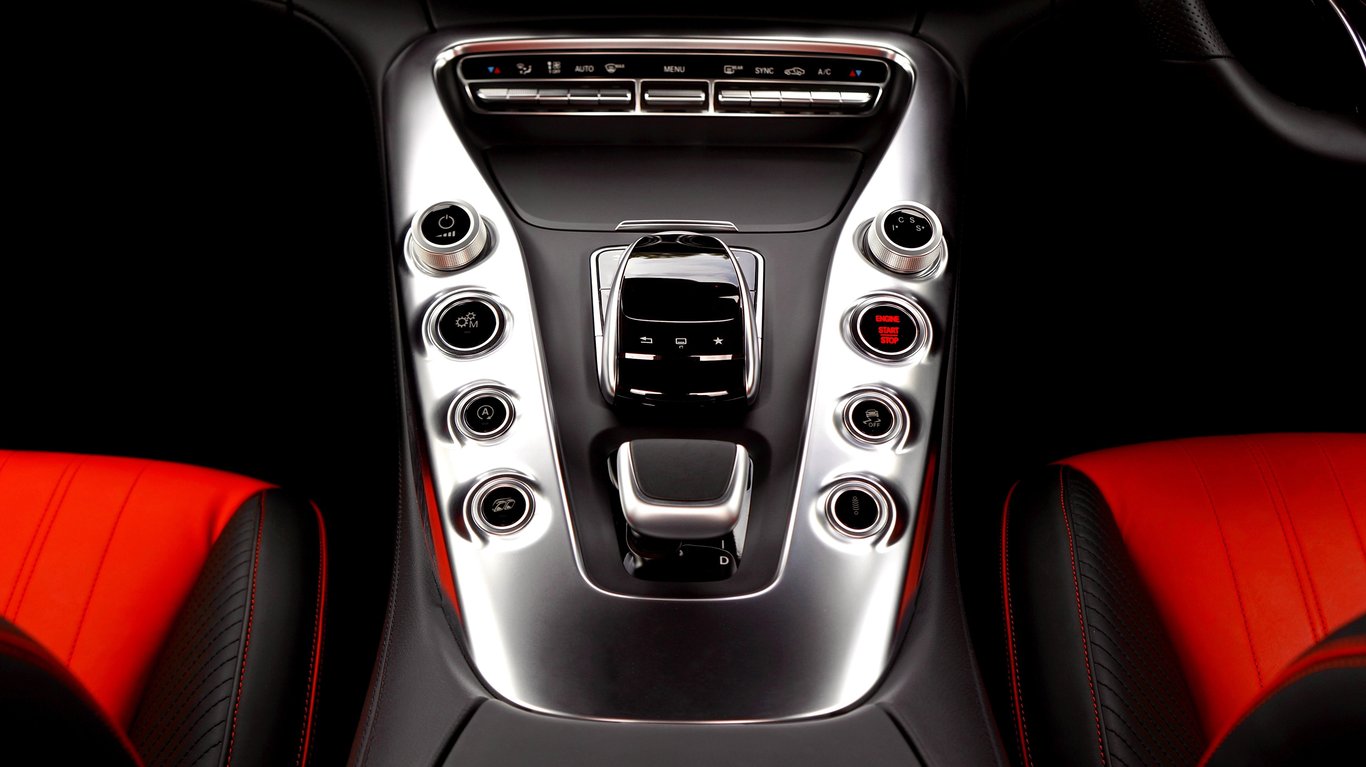
The EQS SUV makes its strongest case from inside. It is not simply a battery-electric alternative to a conventional Mercedes-Benz SUV;
it is intended to be a high-comfort flagship. That means a focus on a quiet cabin, available premium seating features, upscale trim, rear-seat accommodation, and a technology environment that can feel genuinely special on a well-equipped vehicle.
Its size and SUV body style also give it an advantage over low-slung luxury electric sedans for buyers who value a higher seating position and easier entry. Families may appreciate the greater versatility, and some versions offer additional seating capacity that broadens its usefulness. Buyers should inspect the exact seating layout carefully, however. A third row can be useful for occasional passengers, but it should not automatically be treated as a substitute for a full-size family SUV with adult-friendly seating in every row.
The same caution applies to cargo space. The EQS SUV is practical, but it should not be purchased under the assumption that every large electric SUV provides the same packaging efficiency. The shape of the roofline, rear-seat arrangement, and cargo-floor design all affect how easily bulky items fit. Bring real-world items to the dealership if cargo needs are central: a stroller, golf bag, pet crate, luggage set, or sports equipment will reveal more than a published capacity figure.
For many buyers, the EQS SUV’s interior comfort will justify choosing it over a more utilitarian rival. For others, it will not. If your priority is hauling large loads, regularly using every seat, or maximizing usable storage, a more conventionally shaped SUV may be the smarter purchase even if its cabin does not feel as serene.
Technology Is Impressive, but More Screens Do Not Always Mean Better Usability
Mercedes-Benz has made the EQS SUV a showcase for digital displays, connectivity, personalization, and advanced driver-assistance features. The available expansive screen layout is visually dramatic and helps distinguish the vehicle from less expensive electric SUVs. It can make the cabin feel futuristic before the vehicle even moves.
But shoppers should not confuse visual impact with intuitive operation. A screen-heavy interface can require more attention for tasks that were once simple physical actions. Climate settings, drive modes, navigation functions, and entertainment controls may involve menus, icons, or multiple steps. Some owners will enjoy the customization and high-tech environment; others may find it distracting or unnecessarily complicated.
The best approach is to spend meaningful time with the system during a test drive. Do not just admire the display while parked. Set a destination, adjust the climate controls, connect a phone, use the camera system, explore the charging menu, and see whether the controls feel natural while driving. A luxury vehicle should not require a learning curve that frustrates its owner every day.
Driver-assistance technology deserves the same clear-eyed evaluation. These systems can reduce workload on long highway drives, but they are not replacements for an attentive driver. Their usefulness depends on local road markings, traffic conditions, weather, and the driver’s willingness to understand the system’s limits. Buyers should consider advanced assistance a convenience feature, not a reason to surrender judgment behind the wheel.
Performance: Smoothness Matters More Than Drama
The Mercedes-Benz EQS SUV is available in different powertrain configurations, ranging from models focused more on efficiency and comfort to more powerful versions aimed at stronger acceleration. Across the lineup, immediate electric torque gives the vehicle effortless response in ordinary traffic. Passing, merging, and accelerating from a stop generally require little effort.
Yet the EQS SUV is at its best when driven smoothly. Its character favors composure over aggression. Buyers looking for the sharpest handling, the most communicative steering, or the most track-oriented performance may be better served elsewhere. Even higher-output versions cannot fully escape the fundamental reality of a large, heavy electric SUV: physics still matters.
That is not a criticism of the vehicle’s purpose. The EQS SUV is not trying to be a lightweight sports car. It is designed to move people in comfort with a confident reserve of power. For a buyer who values relaxed long-distance driving, that is exactly the point. But performance-focused shoppers should avoid paying extra for power they may rarely use if their real goal is a plush, quiet daily driver.
The Premium Price Demands Discipline From Buyers
The central issue with the Mercedes-Benz EQS SUV is value. It is a premium vehicle in every sense, including the financial commitment. That commitment extends beyond the purchase or lease payment. Insurance, tires, optional equipment, repair complexity, depreciation risk, and out-of-warranty electronic or battery-related concerns all deserve consideration.
Luxury EV shoppers sometimes make the mistake of treating a high monthly payment as proof that a vehicle is superior. It is not. A high payment may reflect expensive options, financing terms, insurance costs, or depreciation assumptions rather than a better ownership experience. The right question is not whether the EQS SUV is expensive—it plainly is—but whether its particular strengths are worth paying for compared with the alternatives available to you.
For example, a buyer who wants the longest possible range, broad charging flexibility, and straightforward technology may find better value in a different premium EV. A buyer who needs genuine three-row practicality may prefer a larger, more traditionally packaged SUV. A buyer who mainly wants the Mercedes-Benz badge and luxurious ride may also want to compare the EQS SUV with conventional Mercedes-Benz SUVs, especially if long-distance travel or towing is common.
On the other hand, buyers who care deeply about a whisper-quiet cabin, smooth electric propulsion, elegant interior ambiance, and the distinct feel of a flagship Mercedes-Benz may find that rivals do not fully duplicate the EQS SUV experience. The value is not found in one specification. It is found in the cumulative effect of comfort, design, technology, and brand character.
Should You Lease or Buy a Mercedes-Benz EQS SUV?
For many shoppers, leasing deserves serious consideration. Electric-vehicle technology, charging standards, software capabilities, and market values can change quickly. Leasing may reduce exposure to uncertainty around resale value and gives drivers a clearer short-term ownership cost. It can also make sense for buyers who prefer replacing their vehicle every few years.
Buying can still be the right move for someone who plans to keep the EQS SUV for a long time, has stable charging access, and is comfortable owning an advanced luxury vehicle beyond its initial coverage period. But buyers should not assume that a flagship EV will depreciate like a traditional luxury SUV from an earlier era. Market conditions can shift, and expensive EVs may face pressure from new models with improved range, charging, or technology.
Whether leasing or buying, compare the full transaction rather than focusing only on the advertised monthly payment. Review the down payment, mileage allowance, finance rate, insurance quote, equipment list, charging installation cost, and estimated annual driving needs. Luxury car deals become expensive when buyers concentrate on one attractive number and ignore the rest of the contract.
Who Should Buy the Mercedes-Benz EQS SUV?
The Mercedes-Benz EQS SUV is a strong choice for a buyer who has home charging, values comfort above sporty handling, wants a high seating position, and appreciates a richly appointed luxury interior. It is particularly well suited to drivers whose typical trips fit comfortably within the vehicle’s real-world range and who take only occasional longer road trips requiring public charging.
It is also a sensible choice for households that already own another vehicle for towing, rugged weather use, heavy cargo duty, or very long trips. In that setting, the EQS SUV can do what it does best: make daily driving and normal highway travel exceptionally pleasant.
It is less convincing for buyers who need maximum utility from every dollar, frequently drive long distances through areas with uncertain charging infrastructure, need a spacious adult-sized third row, or prefer simple physical controls over a digital-first cabin. Those shoppers are not wrong to want an EV; they simply may not be the ideal EQS SUV customer.
Final Verdict
The Mercedes-Benz EQS SUV is not the rational value leader in the luxury EV market, and pretending otherwise would miss the point. Its premium is difficult to defend using range alone, cargo practicality alone, or performance alone. There are competitors that may offer a stronger case in each of those individual categories.
What the EQS SUV offers is a more complete luxury atmosphere: near-silent electric driving, a polished ride, impressive cabin comfort, sophisticated design, and the sense of occasion expected from a flagship Mercedes-Benz. For shoppers who want those qualities and can charge reliably at home, it can be genuinely worth the premium.
But buy it for the experience, not for the badge or the assumption that the most expensive electric SUV is automatically the best. Test the exact configuration, verify current range and charging details, price insurance, inspect the cargo area, and compare its lease or purchase terms with serious alternatives. If the EQS SUV still feels meaningfully more comfortable and more special after that process, then it is probably the right luxury EV for you.